Mobile Refrigerated Transport Repair Cost: A Fleet Review
Last Updated: October 29, 2026
Quick Summary
Mobile refrigerated transport repair cost is the total a fleet pays for an on-site technician to diagnose and fix a transport refrigeration unit, broken into dispatch, diagnostic, labor, and parts. Most invoice shock comes from the parts line, not the labor line, so ask for each line separately when comparing quotes.
A no-cool complaint can be a refrigerant leak, failed compressor, or bad sensor, and the price gap between those is the whole story.
Electrical faults like sensors, modules, and wiring are diagnostic-heavy and can take longer to trace than mechanical failures.
Add the tow, driver idle time, and value of the load at risk to a shop invoice before comparing it to a mobile quote.
Consider replacement when the same component fails twice in a season or parts lead times stretch because the model is aging out.
A good quote names the failed component, lists the part number, states labor hours, and spells out warranty terms.
Table of Contents
What Mobile Reefer Repair Cost Actually Covers
Mobile refrigerated transport repair cost is the total amount a fleet pays for an on-site technician to diagnose and fix a transport refrigeration unit, and that mobile refrigerated transport repair cost breaks into four billable pieces: dispatch, diagnostic, labor, and parts. Most invoice shock comes from the parts line, not the labor line, and that distinction matters when you compare quotes.
The fee stack: dispatch, diagnostic, labor, and parts
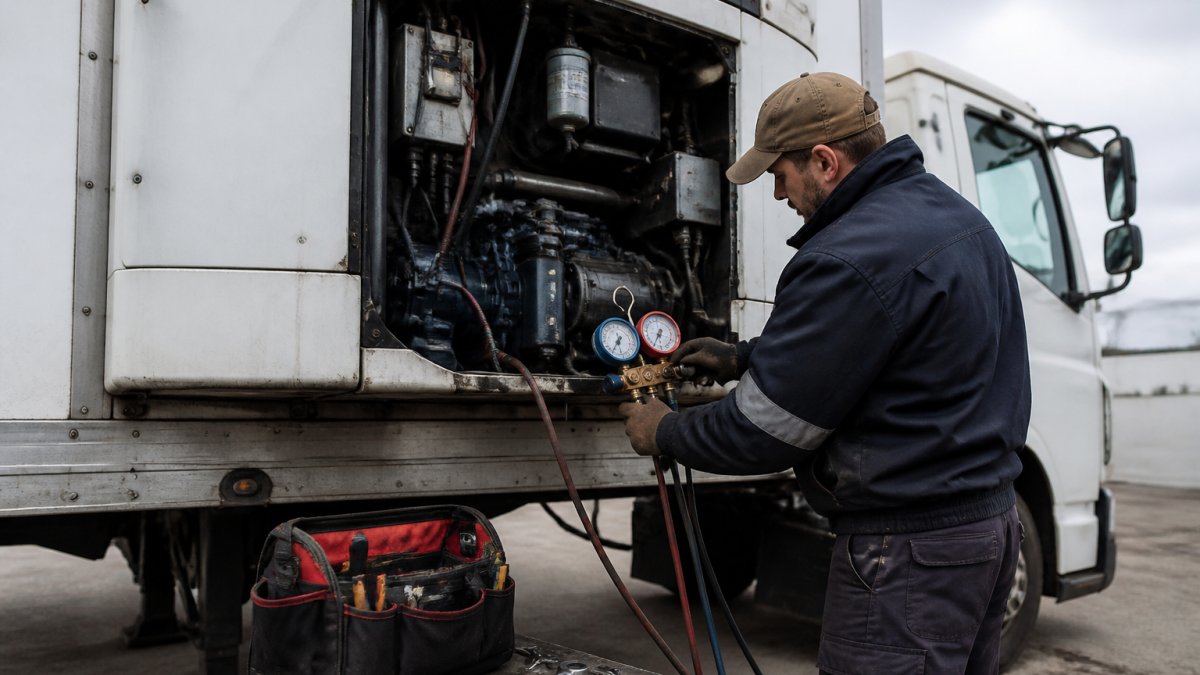
A mobile reefer repair invoice generally includes a dispatch fee, a diagnostic fee, labor, and parts. Ask for each line separately, since a single bundled number hides where the money goes.
Reefer Repair Cost by Failure Type and System
Cost tracks the failure type, not the truck. A no-cool complaint can be a refrigerant leak, a failed compressor, or a bad sensor, and the price gap between those three is the whole story. Pricing depends on the specific failure, unit model, part availability, and service conditions. Contact Platinum Transport Refrigeration Services through its website or at (509) 547-5262 for current pricing or a quote.
Failure Type | Typical Parts Range | Typical Mobile Labor (hours) | Common Mobile vs. Shop Outcome |
Refrigerant leak (trace, evacuate, recharge) | $150-$600 in refrigerant and seals | 2-4 | Mobile handles most; shop if leak is behind cab or in frame |
Compressor failure | $900-$2,800 for compressor and drier | 4-8 | Often shop-preferred; mobile only if access is clear |
Condenser or evaporator fan | $200-$700 for motor, blade, and hardware | 1.5-3 | Mobile-friendly |
Control module or sensor | $150-$900 for module or sensor | 1-3 (diagnostic-heavy) | Mobile-friendly if part is on the truck |
Belt, filter, routine service | $40-$250 in parts | 0.5-2 | Mobile-friendly |
Structural or major overhaul | $2,500+ in parts | 8+ | Shop or refurbishing |
Asking for a parts-and-labor split is more useful than comparing bottom-line numbers, since the parts line usually drives the variance between quotes.
Trailer units versus truck refrigeration systems
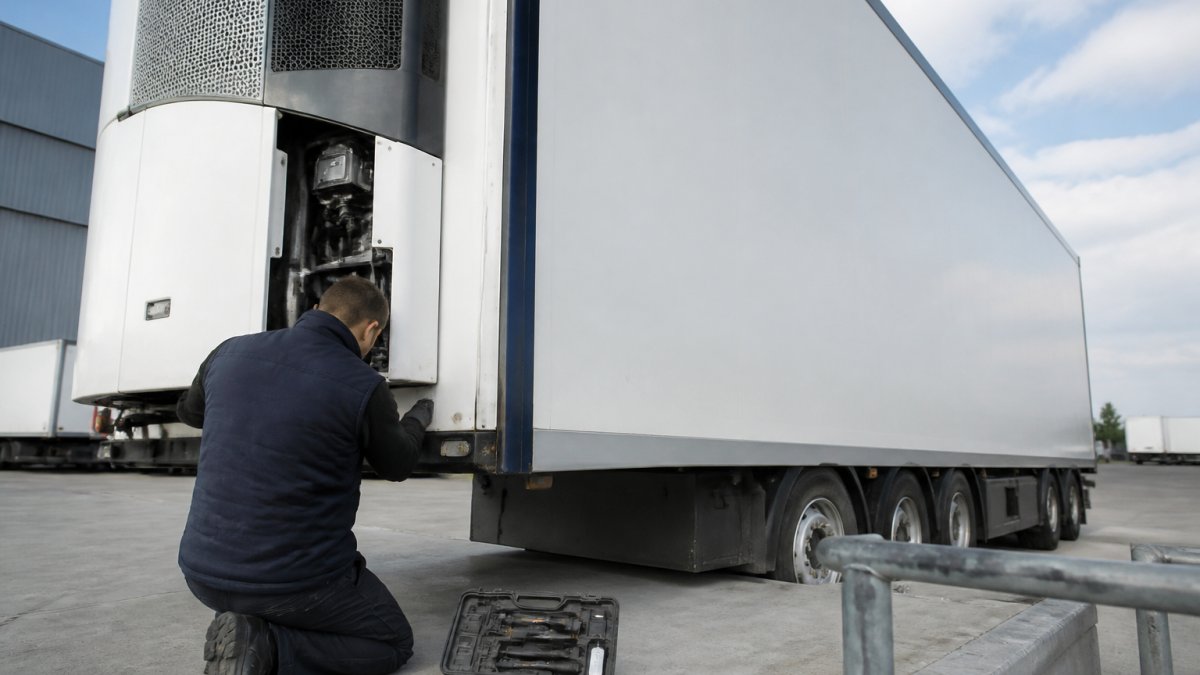
Trailer refrigeration units and truck-mounted systems fail differently, and that changes the bill. Trailer units tend to log heavy hours and see more compressor and refrigerant work. Truck refrigeration systems share space with the chassis, so access can add labor time.
Pro Tip When you request a quote, ask the dispatcher to confirm whether the estimate assumes dock access or roadside access. The same repair can differ by an hour or more of labor depending on how the technician can reach the unit.
What drives the number up or down
Three variables move a reefer repair bill more than anything else: unit age and model, part availability, and whether the fault is electrical or mechanical. Electrical faults, sensors, modules, wiring, are diagnostic-heavy and can take longer to trace than a mechanical failure that announces itself. Mechanical failures like belts and fans are usually faster to confirm and faster to fix.
Watch Out A quote that lists only a total, with no parts range and no labor hours, gives you nothing to compare. Ask for the part number and the labor-hour estimate before you approve the work.
Mobile Reefer Repair versus Shop Repair and Replacement
The right repair approach depends on the repair type, the unit's age, and what a tow and a missed delivery window actually cost you.
Decision Factor | Mobile Repair | Shop Repair | Replacement |
Typical invoice | Diagnostic + labor + parts + dispatch | Diagnostic + labor + parts (no dispatch) | Unit cost + install labor + disposal |
Towing or transport | None | Tow or drive-in; tow can add a four-figure line | Delivery and removal |
Downtime | Hours, on site | Half-day to multi-day depending on queue | Days to weeks for delivery and install |
Warranty | Varies by provider; confirm parts and workmanship terms | Often stronger on major components | Full unit warranty |
Best fit | Component swaps, leaks, sensors, belts, fans | Compressor work, major overhauls, structural repair | Old unit with repeat failures or repair cost approaching unit value |
If the repair is a component swap and the unit is otherwise sound, mobile repair is often a reasonable choice. If the compressor is gone and the unit is old, consider getting a replacement quote before spending on a rebuild.
The downtime math most quotes ignore
A shop repair can be cheaper on the invoice but costs you a tow, a driver's wait, and a missed delivery window. To compare fairly, add the tow, the driver's idle time, and the value of the load at risk to the shop invoice before comparing it to a mobile quote.

When replacement beats both
Replacement is generally worth considering when repair cost approaches the value of the unit and failures keep repeating. Watch for three signals: the same component fails twice in a season, the unit is past its expected service life for your duty cycle, and parts lead times are stretching because the model is aging out. If two or more of those are true, price a replacement before you approve another major repair.
Key Takeaway Compare total cost, not invoice cost. Add dispatch, tow, downtime, and cargo risk to each option, then decide. Mobile repair wins on speed, shop repair wins on major-component warranty, and replacement wins when repeat failures make every repair a down payment on the next one.
Refrigerated Transport Downtime Costs Most Fleets Underestimate
Refrigerated transport downtime costs are the hidden line item in every repair decision. A unit down means cargo at risk, a missed delivery window, and a driver sitting idle. Spoiled product and a rejected load can dwarf the repair invoice itself. That is why response time matters as much as the hourly rate.
Federal Motor Carrier Safety Administration hours-of-service rules shape how long a driver can wait before the schedule breaks, which tightens the clock on every roadside call. A fast mobile dispatch protects cargo and keeps the delivery window intact.
How to Evaluate a Reefer Repair Quote Line by Line
Read the quote in this order: diagnostic scope, parts, labor, and terms. A good quote names the failed component, lists the part number, states the labor hours, and spells out the warranty on the repair. A vague quote is a red flag, not a shortcut.
Red flags in a mobile service quote
No part numbers listed
Labor lumped into one figure with no hours
No diagnostic fee stated up front
No warranty terms on parts or workmanship
No mention of post-repair verification or temperature pull-down test
Dispatch fee hidden until the invoice
The Reefer Maintenance Checklist That Prevents Emergency Calls
Preventive maintenance is the cheapest repair you will ever buy. For more maintenance and troubleshooting guidance, explore the Platinum TRS blog. Routine service catches refrigerant loss, worn belts, and dirty coils before they strand a load. A fixed monthly maintenance plan also turns unpredictable repair costs into a predictable cost line.
Check refrigerant charge and inspect for leaks
Inspect and tension belts
Clean condenser and evaporator coils
Test defrost cycle and door seals
Pull and review fault codes
Verify temperature pull-down under load
Log hours and schedule the next service
Booking a Mobile Repair Dispatch with Platinum Transport Refrigeration Services
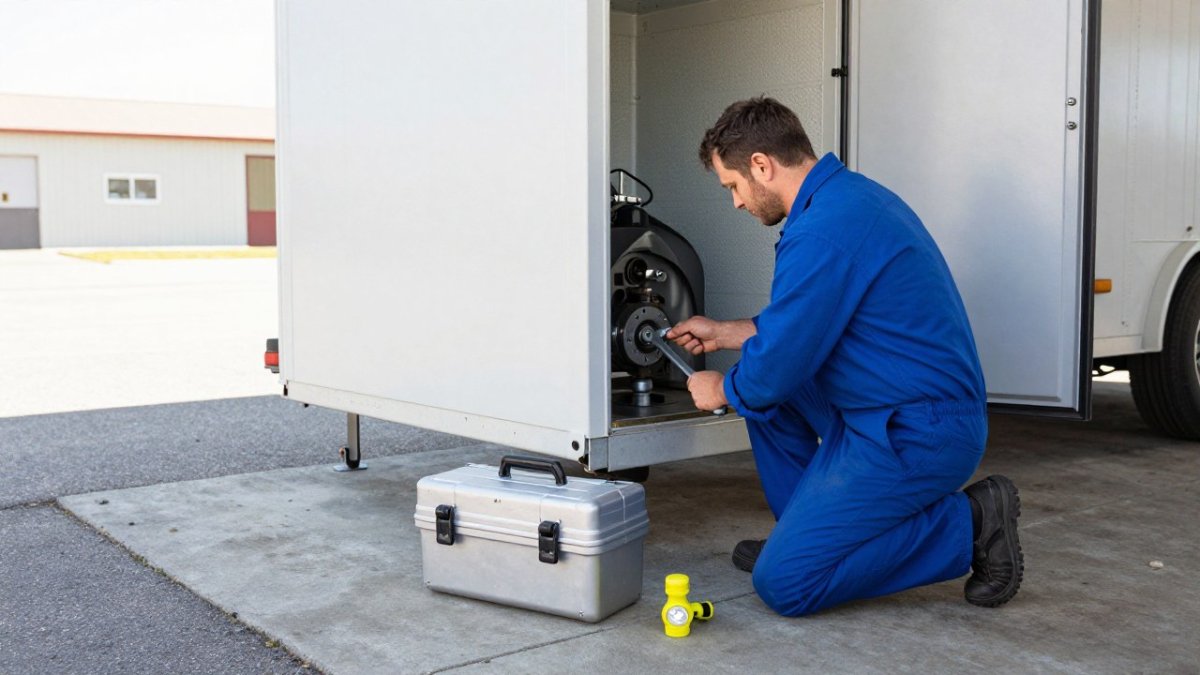
When a unit fails, the fastest path back to temperature is a mobile dispatch. Platinum Transport Refrigeration Services offers 24-hour emergency reefer repair with 100% mobile service, dealer-level expertise, and a large variety of parts carried on-site. We serve fleets across the Tri-Cities.
You can request transport refrigeration service online. Call now at (509) 547-5262 to book a dispatch and protect your cold chain.
Frequently Asked Questions
How much does mobile refrigerated transport repair cost?
There is no single number. A mobile reefer repair bill is built from a dispatch fee, a diagnostic fee, hourly labor, and parts, and each of those moves with your location, the time of day, and the unit involved. Because pricing depends on the specific failure and the system you run, ask for an itemized quote before authorizing work rather than accepting a single lump figure.
Is mobile reefer repair more expensive than taking the unit to a shop?
The service call itself usually costs more than a shop visit, because you pay for travel and a dispatch fee. The comparison flips once you count the tow, the driver hours, and the load sitting warm. A unit that cannot move is a unit that cannot earn.
What factors affect the cost of reefer repairs?
Five things drive the number: the failed component, the age and brand of the unit, whether the call is scheduled or emergency, the distance to your location, and parts availability. A compressor or a refrigerant leak costs far more than a thermostat or a belt. After-hours and weekend dispatch raises labor rates. Units running older refrigerant types can also cost more because the refrigerant itself is pricier and less available.
Does regular reefer maintenance reduce repair costs?
It reduces the number of emergency calls, which is where the real money goes. A reefer maintenance checklist covering refrigerant levels, belt tension, condenser cleanliness, door seals, and defrost operation catches small faults before they strand a load.
When should I repair a reefer unit instead of replacing it?
Repair usually wins when the failure is isolated, the unit is within its service life, and the repair cost is a fraction of replacement. Replacement starts to make sense when you are facing a compressor or major structural repair on an aging unit, when repeat failures hit the same system, or when parts for that model are getting hard to source. Get a written repair estimate first, then compare it against replacement and the downtime each option creates.
The real cost of a reefer failure is the load you lose while the unit sits. Platinum Transport Refrigeration Services answers that with 24-hour emergency mobile repair, dealer-level diagnostics, and parts carried on the truck so the first visit is usually the only visit. Get started with Platinum Transport Refrigeration Services and keep your fleet at temperature and your delivery windows intact.
Comments