Reefer Unit Warranty Coverage: A Practical Guide
Last Updated: November 20, 2026
Quick Summary
A reefer unit warranty is a manufacturer or dealer promise to repair or replace covered refrigeration components for a set period, measured in months or engine hours, whichever comes first. Coverage terms are defined in the plan document, so read the component list and exclusions before a breakdown occurs.
Warranty periods end at whichever comes first: the listed months or the engine hours.
Basic unit coverage is usually shorter than major component coverage for compressor, engine, and electrical parts.
Exclusions for wear items, neglected maintenance, and outside causes often decide disputed claims.
Get written pre-authorization from an approved repair facility before any work begins.
Keep complete maintenance records, since missing service history is a common reason claims are denied.
Is your reefer fleet covered?
Platinum Transport Refrigeration Services provides 24-hour mobile reefer repair across the Tri-Cities.
Table of Contents
How Reefer Unit Warranty Coverage Works
A reefer unit warranty is a manufacturer or dealer promise to repair or replace covered refrigeration components for a defined period, measured in months or engine hours, whichever comes first. Coverage is written into the plan document, so the terms that matter are the ones printed in that contract, not general assumptions about what a warranty "usually" includes. Many fleets discover the gaps only after a failure, which is why reading the coverage matrix before a breakdown is worth the time.
Reefer warranty coverage typically depends on three things: the unit's serial number, the date it entered service, and its recorded operating hours.
Basic Unit Versus Major Components
Most refrigeration warranties split coverage into two layers. The basic unit warranty covers the core refrigeration system for a shorter period, while major components such as the compressor, engine, and certain electrical parts often carry longer protection. Read the component list carefully, because a unit can be "under warranty" overall while a specific part has already aged out.
Many fleets assume that a trailer warranty and a truck unit warranty work the same way. They often do not, and the coverage limits for each should be checked separately.
Coverage Periods by Months and Engine Hours
Warranty periods are usually expressed two ways: a number of months from the in-service date, and a number of engine or operating hours. The condition that is met first ends coverage. A unit that runs heavy hours can exhaust its hour allowance long before the calendar period expires, while a lightly used unit may reach the end of its months first.
Track both measurements. Operating hours are typically logged on the unit's hour meter and should be recorded at every service visit.
Comparing Manufacturer, Dealer, and Third-Party Warranty Plans
Reefer coverage comes from several sources, and each carries different trade-offs. Manufacturer warranties are generally the baseline, backed by the equipment maker and honored through authorized repair facilities. Dealer plans may add coverage or extend the term, but their scope depends on the selling dealer's contract. Third-party extended plans can fill gaps, though their claim processes and approved repair networks vary.
When comparing options, look at:
Which components are covered and for how long
Whether parts and labor are both included
Which repair facilities are approved to perform claimed work
Whether coverage transfers if the unit changes ownership
Plan Type | Typical Strength | Common Limitation |
Manufacturer warranty | Baseline coverage from the equipment maker | Fixed term and defined component list |
Dealer plan | Can extend or supplement the base term | Scope depends on the dealer's contract |
Third-party plan | Can fill gaps in longer-term coverage | Approved repair networks and claim rules vary |
What Reefer Warranties Typically Exclude
Exclusions are where most reefer warranty disputes are actually decided. The covered-component list gets the attention, but the exclusions section is what a provider cites when a claim is denied. Reading it before a failure is the difference between a covered repair and an invoice you absorb.
Most plans group exclusions into four buckets:
Wear and routine maintenance items. Belts, filters, hoses, seals, gaskets, and some bearings are commonly treated as owner-maintained consumables rather than covered failures. The boundary matters: a failed compressor caused by a leaking seal may be covered, while the seal itself is not.
Damage from neglect or missed maintenance. If the manufacturer's service interval was missed and the failure traces back to that gap, the provider generally has grounds to deny. This is why the maintenance log is part of the claim file, not an afterthought.
Outside causes. Accidents, impact damage, improper refrigerant handling, electrical faults from the tractor or trailer wiring, and unauthorized modifications are typically excluded. So is damage from freezing, overheating, or running the unit outside its rated operating conditions.
Consequential and downtime losses. Lost cargo, spoilage, rental replacement, and lost revenue are almost never covered under the unit warranty. Those belong to cargo insurance, not the equipment plan.
A common pattern is a dispute over where one component ends and another begins. A failed compressor that seized after a slow refrigerant leak may be covered, but the leak itself and the labor to find it may not be. The plan document usually defines these boundaries in a component matrix, and that matrix, not the marketing summary, is what governs.
Watch out: a repair performed by a facility that is not approved under the plan can void coverage for that repair and for related failures, even if the work itself was correct.
Keep every receipt, service invoice, and hour-meter reading. A claim without documentation is much harder to defend, and providers are not obligated to reconstruct your maintenance history for you.
Reefer Unit Maintenance Requirements for Warranty
Most warranties are conditional on maintenance. The manufacturer will typically specify service intervals, fluid and filter changes, and inspection schedules. Missing those intervals can give the provider grounds to deny a claim, even when the failed part is otherwise covered.

A practical approach is to build the manufacturer's maintenance schedule into your fleet calendar and log each completed task with the date, hour meter reading, and technician name.
Checking Eligibility and Verifying Coverage Before a Breakdown
Waiting until a unit fails to confirm coverage is the most common and most expensive mistake. Verify coverage in advance using this checklist:
Confirm the unit's serial number and model
Record the in-service date and current operating hours
Obtain the written warranty or plan document
Identify which components are covered and for how long
Confirm which repair facilities are approved for claims
Check that maintenance records are complete and current
Verifying these items now means a breakdown triggers a process rather than a scramble.
How to Reduce Refrigerated Transport Downtime Under Warranty
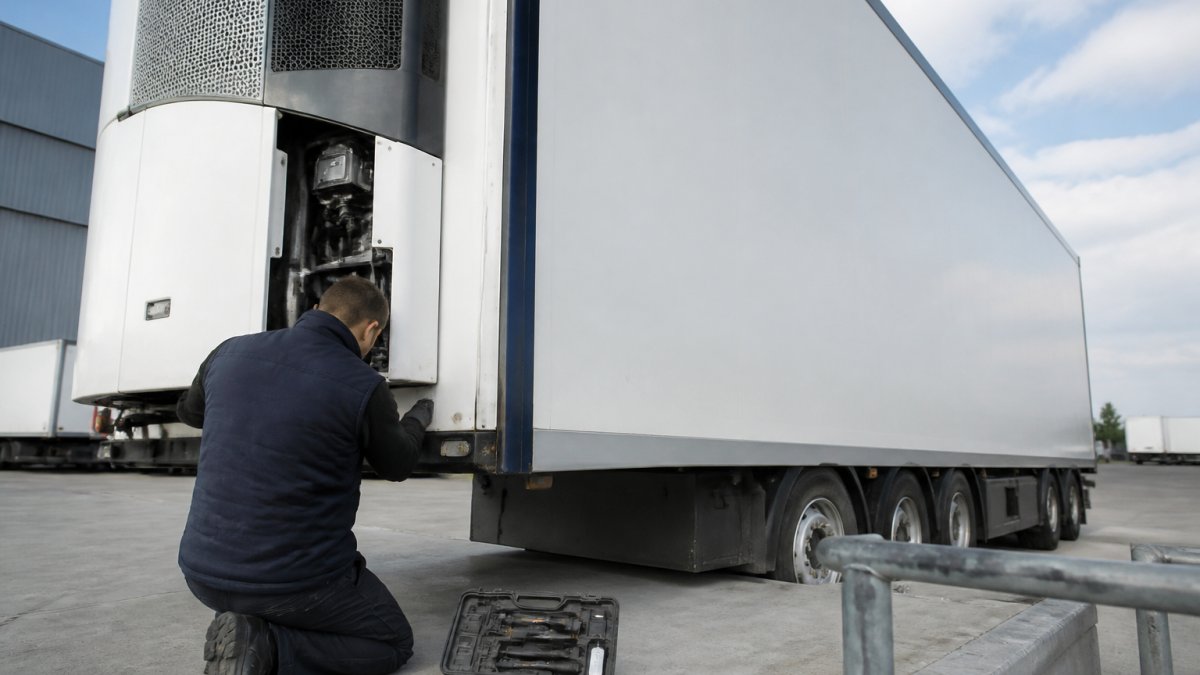
Downtime costs usually exceed the repair bill itself. Reducing it starts with early detection: monitor temperature logs and alarms, and act on trends instead of waiting for a complete failure. Keep a relationship with a responsive repair provider who can reach your location quickly.
Scheduling a provider before you need one is the simplest way to protect your delivery schedule.
Filing a Reefer Unit Warranty Claim Step by Step
A claim is approved or delayed on the strength of its paperwork, not the severity of the failure. The workflow below reflects how most manufacturer and dealer plans actually process a reefer claim.
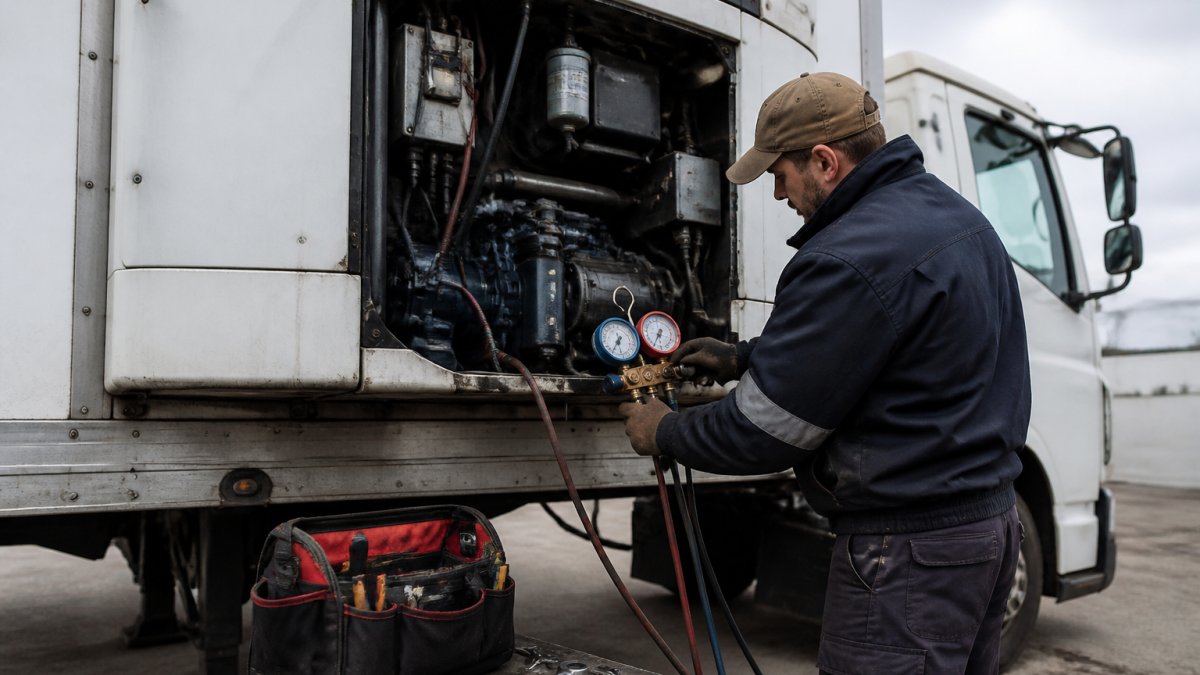
Stop the unit safely and capture the failure state. Record the alarm codes, the box temperature at the time of fault, ambient conditions, and the hour-meter reading. Photograph the control panel before anyone clears codes.
Identify the unit precisely. Serial number, model, in-service date, and current hours. The provider will match these against the warranty registration record; a mismatch is one of the most common causes of a stalled claim.
Contact an approved repair facility before work begins. Confirm authorization under the specific plan, not just the brand. A facility authorized for one plan type may not be authorized for another.
Request pre-authorization in writing. Most plans require approval before teardown or parts ordering. Get the authorization number, the approver's name, and the approved scope in writing, email is sufficient and creates a record.
Document the diagnosis and the repair. Ask the technician to note the failed component, the root cause, and any related components inspected. This is where component-boundary disputes are won or lost.
Retain a detailed invoice. The invoice should separate parts, labor, and any sublet work, and should reference the authorization number. A lump-sum invoice is frequently kicked back.
Submit the claim with the full packet. Include the invoice, authorization number, maintenance records covering the period before the failure, and photos. Missing maintenance records are the single most common reason a claim is denied after the repair is complete.
Track status and keep a contact log. Record dates, names, and reference numbers for every call or email. If a claim is denied, ask for the denial in writing and cite the specific exclusion clause, that written denial is what you appeal against.
Watch out: do not authorize a repair before the pre-approval number is issued, even under pressure to get the unit back on the road. Retroactive approvals are discretionary and often refused.
Scheduling Your Next Warranty-Compliant Service Visit
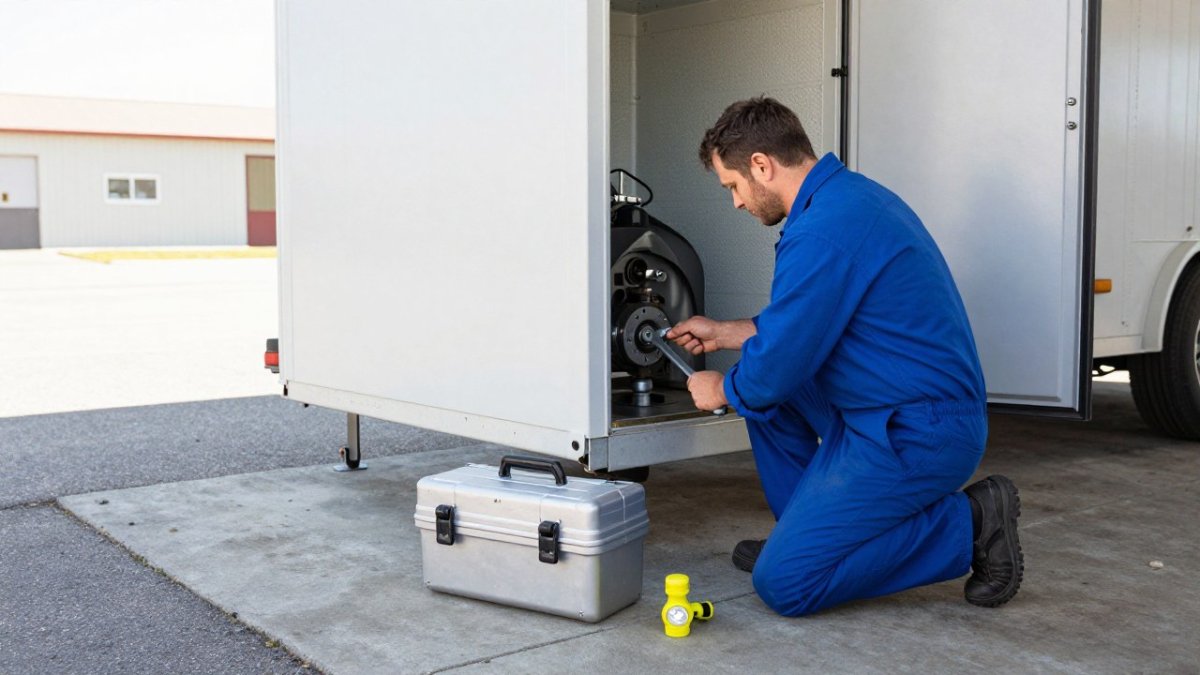
Preventive service is the cheapest way to protect warranty coverage. Schedule your next visit before the current interval expires, and confirm that the service performed meets the manufacturer's specification. Book a mobile Thermo King repair visit or a mobile Carrier reefer repair visit to keep your units on schedule, or reach 24/7 emergency reefer repair if a unit fails between planned visits.
Reviewing the complete reefer unit maintenance guide for 2026 can help you map the required intervals to your fleet. Before a breakdown, check our service area to confirm a mobile technician can reach your locations.
Keeping your reefer fleet covered takes planning, and the right partner makes that planning easier. Platinum Transport Refrigeration Services provides 24-hour mobile repair across the Tri-Cities with dealer-level expertise and parts carried on-site, so your units stay productive and your warranty stays intact. Call (509) 547-5262 to schedule service or confirm coverage for your fleet.
Frequently Asked Questions
Does improper maintenance void a transport refrigeration unit warranty?
It can. Most reefer warranties require the owner to perform scheduled maintenance, such as oil and filter changes, belt inspections, and refrigerant checks, at the intervals listed in the manufacturer's manual. If a failure traces back to missed or undocumented service, the claim may be denied. Keep dated invoices and service logs for every visit, including the engine hours or mileage at the time of service. Records from a licensed repair facility carry more weight than handwritten notes alone, so retain both the work orders and the parts receipts.
What documentation is required to file a successful reefer warranty claim?
Start with the unit's serial number and model number, the date of failure, and the operating hours shown on the unit controller. Gather a detailed description of the symptoms, any alarm codes displayed, and photos of the fault if possible. Include the repair order from the facility that diagnosed the problem, along with maintenance records showing the unit was serviced on schedule. Submit the claim before authorizing major repairs when the warranty requires prior approval, because work completed without approval may not be reimbursed.
How long is the typical coverage period for major reefer components?
Coverage periods vary by manufacturer and plan, but reefer warranties are commonly expressed as a number of months or engine operating hours, whichever comes first. Major components such as the compressor often carry longer coverage than electrical controls or accessories. Check the warranty certificate for the exact term that applies to each component, since a single unit can have several different coverage windows. Verify the terms against the serial number before you rely on them.
Will a warranty cover my reefer unit if it was bought used?
Coverage for used or transferred units depends on the terms of the original warranty and whether it can be transferred to a new owner. Some manufacturer warranties stay with the unit, while others end when the original purchaser sells it. Extended plans may have their own transfer rules and fees. Confirm the remaining coverage period and eligibility using the unit's serial number before purchase, and get written confirmation of any transfer from the warranty administrator.
Comments